

Why Are High-Quality Casting Parts Still So Hard to Get Right?
2026-01-15
I have spent years working with manufacturers and buyers who rely on metal components every single day, and one issue keeps coming back to the table: why do Casting Parts that look similar on paper perform so differently in real applications? This question became especially clear to me when I first collaborated with Fumin. It was not introduced as a slogan or a sales pitch, but rather as a solution that quietly fit into projects where consistency, strength, and long-term reliability actually mattered. From that point on, my understanding of what well-made Casting Parts should deliver changed completely.
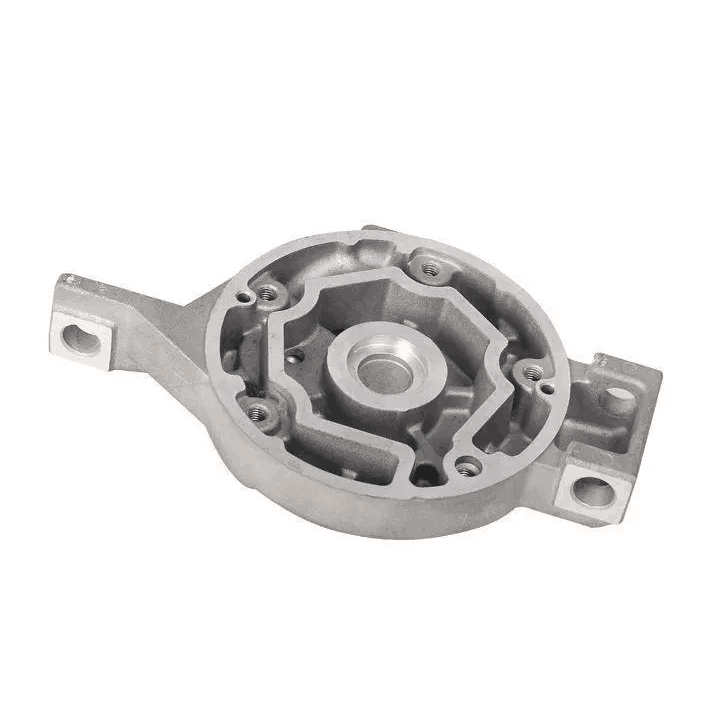
What Problems Do Buyers Commonly Face When Sourcing Casting Parts?
When I speak with procurement teams and engineers, their concerns are surprisingly consistent. Many are not chasing the lowest price anymore; they are trying to avoid repeated failures, delays, and hidden costs. In my experience, the most common pain points include:
- Inconsistent dimensions that create assembly issues downstream
- Surface defects that weaken structural integrity over time
- Material properties that do not match the stated specifications
- Unstable suppliers who struggle with repeat orders
- Limited customization for specific load or environment requirements
These challenges are exactly why selecting the right Casting Parts supplier becomes a strategic decision rather than a simple purchase.
How Do Precision Processes Improve the Real Performance of Casting Parts?
From what I have seen on production floors and in finished products, quality is never accidental. It comes from controlled processes, experienced technicians, and an understanding of how casting behavior changes under different conditions. Reliable Casting Parts benefit from:
- Stable mold design that minimizes deformation
- Carefully controlled melting and pouring temperatures
- Post-casting treatments that enhance durability
- Systematic inspection before shipment
This is where working with an experienced manufacturer like Fumin makes a practical difference. Instead of focusing on volume alone, the emphasis stays on repeatability and functional accuracy, which directly reduces failure rates in real-world use.
Why Does Material Selection Matter So Much in Casting Parts?
One lesson I learned early is that material choice is not just a technical detail; it defines how a part behaves under stress, vibration, and weather exposure. The wrong alloy can shorten product life dramatically. High-quality Casting Parts are designed with material performance in mind, not convenience.
| Application Scenario | Key Material Focus | Practical Benefit |
|---|---|---|
| Trailer and chassis systems | High tensile strength alloys | Improved load-bearing stability |
| Outdoor structural components | Corrosion-resistant compositions | Longer service life in harsh environments |
| Precision mechanical assemblies | Dimensional stability materials | Smoother assembly and reduced wear |
By aligning materials with real operating conditions, Casting Parts stop being a weak link and start becoming a reliable foundation.
Can Customization Really Reduce Long-Term Costs for Casting Parts?
Many buyers assume customization automatically increases cost, but my experience suggests the opposite. When Casting Parts are designed to match exact requirements from the start, they often reduce machining, rework, and maintenance later on. Thoughtful customization can:
- Lower installation time
- Reduce material waste
- Extend component lifespan
- Improve compatibility with existing systems
This approach is especially effective when manufacturers understand application contexts instead of treating every order as identical. That mindset shift alone can save significant resources over time.
What Should Buyers Look for Before Committing to a Casting Parts Supplier?
After evaluating many suppliers across different projects, I now look beyond catalogs and price lists. A reliable Casting Parts partner should demonstrate process transparency, communication clarity, and a willingness to adapt. Key indicators include:
- Clear quality control standards
- Consistent production capability
- Responsive technical support
- Proven experience across industries
These factors often determine whether a supplier becomes a long-term partner or a recurring problem.
Are You Ready to Upgrade Your Casting Parts Strategy?
If you are facing performance issues, frequent replacements, or inconsistent supply, it may be time to rethink how you source Casting Parts. Working with a manufacturer that values precision, material integrity, and practical customization can make a measurable difference in your final products.
If you would like to explore solutions tailored to your specific application, I encourage you to contact us today. Share your requirements, ask your questions, and let us help you move toward more reliable, cost-effective Casting Parts that truly support your business goals.