

What Makes a Motorcycle Forged Wheel a Real Upgrade for Serious Riders?
2026-01-27
When I first started paying close attention to wheel performance, I realized that not all upgrades deliver real value on the road. Over time, working closely with manufacturers and riders, I gradually came to understand how Taizhou Yichi Technology Co., Ltd. has been quietly refining its approach to Motorcycle Forged Wheel production, focusing less on flashy claims and more on what riders actually struggle with every day.
For many riders, wheels are replaced only after damage or wear. But once I tested a properly engineered Motorcycle Forged Wheel, it became clear that this component affects handling, safety, and long-term cost far more than most people expect.
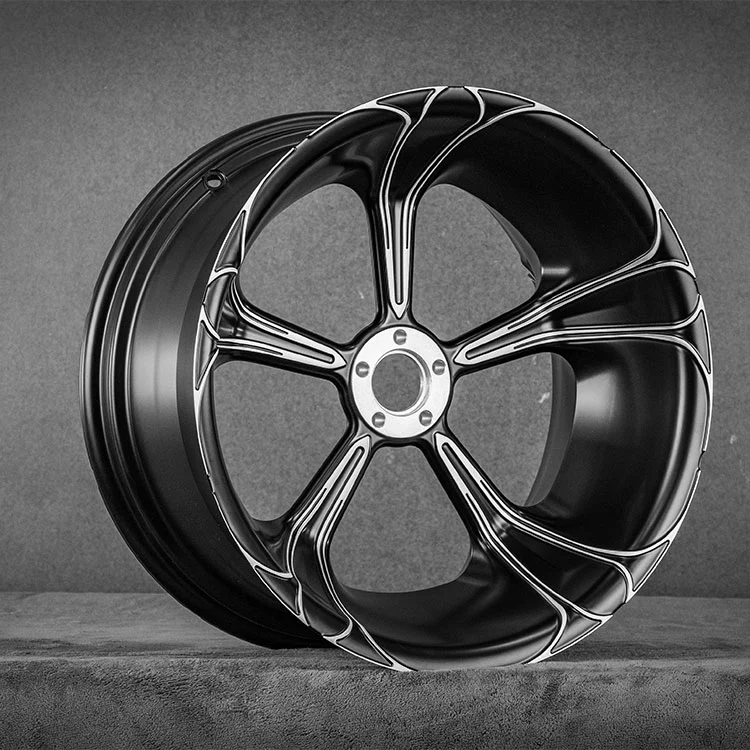
Why Do Riders Struggle With Standard Motorcycle Wheels?
Before choosing a forged solution, I often hear the same complaints from riders using cast or low-grade alloy wheels. These issues are not dramatic failures, but slow, persistent frustrations that impact daily riding.
- Unstable handling at higher speeds or during aggressive cornering
- Visible deformation after long-term use on uneven roads
- Excessive unsprung weight affecting acceleration and braking
- Frequent maintenance or early replacement
These pain points pushed me to look deeper into how a Motorcycle Forged Wheel is made and why the manufacturing process matters so much.
How Does a Motorcycle Forged Wheel Improve Real Riding Performance?
Forging is not just a production buzzword. In practical terms, it reshapes the internal grain structure of aluminum under high pressure, creating a wheel that behaves differently on the road. From my experience, this translates into noticeable improvements.
- More predictable steering response when entering corners
- Reduced vibration on long-distance rides
- Better resistance to fatigue under repeated stress
- Improved balance between strength and weight
This is where a well-designed Motorcycle Forged Wheel stands apart, especially when it is engineered with rider feedback in mind rather than just laboratory data.
What Technical Differences Should Buyers Actually Compare?
Instead of relying on marketing terms, I prefer to compare wheels based on measurable factors that affect daily use. Below is a simplified comparison that highlights why forged wheels are often chosen by experienced riders.
| Comparison Factor | Forged Wheel | Conventional Cast Wheel |
|---|---|---|
| Material Density | High and uniform | Inconsistent with micro-voids |
| Weight Control | Lighter with higher strength | Heavier to maintain strength |
| Fatigue Resistance | Excellent for long-term riding | Moderate over extended use |
| Impact Tolerance | Better deformation resistance | More prone to cracking |
When evaluating a Motorcycle Forged Wheel, these differences explain why the initial investment often pays off over years of riding rather than months.
Why Does Manufacturing Experience Matter More Than Design Alone?
Even the best design can fail if production control is inconsistent. From what I have seen, experienced manufacturers pay close attention to forging pressure, heat treatment, and final machining accuracy. This is where companies like Taizhou Yichi Technology Co., Ltd. stand out, as their process emphasizes repeatability and structural integrity rather than short-term output.
For riders, this means fewer surprises after installation and a wheel that performs consistently across different riding conditions.
Is a Motorcycle Forged Wheel Worth the Investment for Everyday Riders?
This is probably the most common question I get. The answer depends on expectations. If the goal is only to replace a damaged wheel as cheaply as possible, forging may not be the priority. However, for riders who value stability, safety, and long-term reliability, a Motorcycle Forged Wheel becomes a practical upgrade rather than a luxury.
- Reduced long-term replacement costs
- Improved riding confidence
- Better compatibility with performance upgrades
Over time, these benefits tend to outweigh the initial purchase decision.
How Can You Choose the Right Forged Wheel for Your Motorcycle?
My advice is always to look beyond surface specifications. Ask about material standards, forging methods, and quality inspection processes. A reliable supplier will be transparent and willing to explain how their Motorcycle Forged Wheel is engineered to meet real-world demands.
If you are exploring options or need guidance tailored to your riding style, this is the right moment to contact us. Reach out to discuss specifications, customization possibilities, or technical details, and take the next step toward a wheel solution that genuinely supports your riding experience.