

What is the purpose of the inner metal brace on a vintage Motorcycle Front Fender
2026-05-18
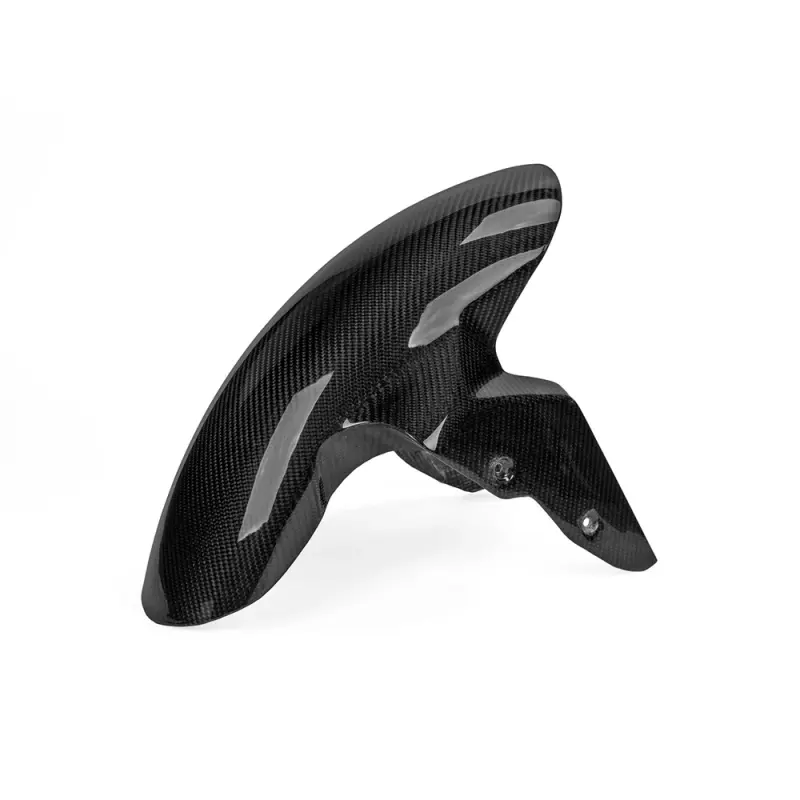
For collectors and restorers of classic motorcycles, the Motorcycle Front Fender is far more than a cosmetic cover. A recurring question concerns the inner metal brace—a reinforced strip riveted or bolted inside the fender. Understanding its role helps preserve both safety and authenticity. At Aicheng, we specialize in vintage restoration parts, and the inner metal brace remains one of the most underrated structural components on any Motorcycle Front Fender.
Primary Structural Functions
The inner metal brace serves three critical purposes on a vintage Motorcycle Front Fender:
| Function | Description | Consequence of Missing Brace |
|---|---|---|
| Vibration Damping | Reduces harmonic oscillation at speed | Fender cracking, loud buzzing noises |
| Load Distribution | Spreads impact forces from road debris | Localized dents and metal fatigue |
| Mounting Reinforcement | Stabilizes fender struts and fork attachments | Loose fender, potential wheel lock |
Material and Design Variations
Vintage manufacturers used stamped steel, aluminum, or even cast alloy for braces. The brace typically runs 60–80% of the fender’s inner length and aligns with mounting tabs.
Common brace configurations:
-
Single center rib (British bikes, 1950s–60s)
-
Double parallel ribs (American cruisers)
-
Perforated full-length plate (off-road vintage models)
Motorcycle Front Fender FAQ
Q: Can I remove the inner metal brace to save weight on a vintage Motorcycle Front Fender without causing problems?
A: Removing the inner metal brace is not recommended for any street-legal vintage bike. While you may save 200–400 grams, the loss of structural rigidity leads to rapid metal fatigue around the mounting points. Over time, vibration will cause cracks originating from the bolt holes. In extreme cases, the Motorcycle Front Fender can detach and contact the tire, locking the front wheel. Racers on perfectly smooth tracks sometimes remove braces, but for restoration or regular riding, Aicheng advises keeping the brace intact or replacing it with an OEM-spec unit.
Q: How do I know if the inner metal brace on my Motorcycle Front Fender is damaged or failing?
A: Signs of brace failure include: a persistent rattling sound when riding over small bumps, visible separation between the fender skin and brace, rust bleeding through rivet holes, and uneven tire wear caused by fender misalignment. To inspect, remove the Motorcycle Front Fender and tap the brace with a plastic mallet—a dull thud indicates delamination or corrosion inside. Any bent or cracked brace must be replaced immediately. Aicheng offers reproduction braces for over 40 vintage models.
Q: Does the inner metal brace affect the paint or chrome finish on the outside of the Motorcycle Front Fender?
A: Yes, indirectly. A solid brace prevents flexing that would otherwise crack paint or chrome plating. However, poor brace installation can cause galvanic corrosion between dissimilar metals (e.g., steel brace on aluminum fender). Always use insulating washers or rubber strips between the brace and fender skin. For show-quality restorations, Aicheng supplies pre-drilled braces with anti-corrosion coatings that preserve both inner structure and outer finish.
Maintenance and Restoration Tips
-
Inspect rivets annually – Loose rivets amplify stress
-
Apply anti-seize to all brace-to-fender bolts
-
Never powder coat the brace – heat treatment warps tolerances
Why Choose Aicheng for Your Vintage Build
Every restored Motorcycle Front Fender deserves correct internal bracing. Aicheng provides laser-scanned reproductions of original braces for Harley-Davidson, Triumph, BSA, and Norton models. Each brace includes factory-spec rivet holes and thickness tolerances.
Contact Us
Ready to restore your vintage Motorcycle Front Fender with the correct inner metal brace? Visit the Aicheng website or email our restoration team for a free fitment check. Every order includes a detailed installation guide. Contact us today to keep your classic motorcycle safe and authentic.