
What is the Difference Between Series and Parallel Motorcycle Turn Signal Wiring
2026-04-15
When upgrading or repairing your Motorcycle Turn Signal system, understanding wiring configurations is critical. Most riders face a common dilemma: should the lights be wired in series or parallel? The choice affects brightness, flashing speed, and compatibility with LEDs. Aicheng, a trusted name in motorcycle electrical components, provides this technical guide to help you make the right decision.
Series vs Parallel Wiring: Key Differences
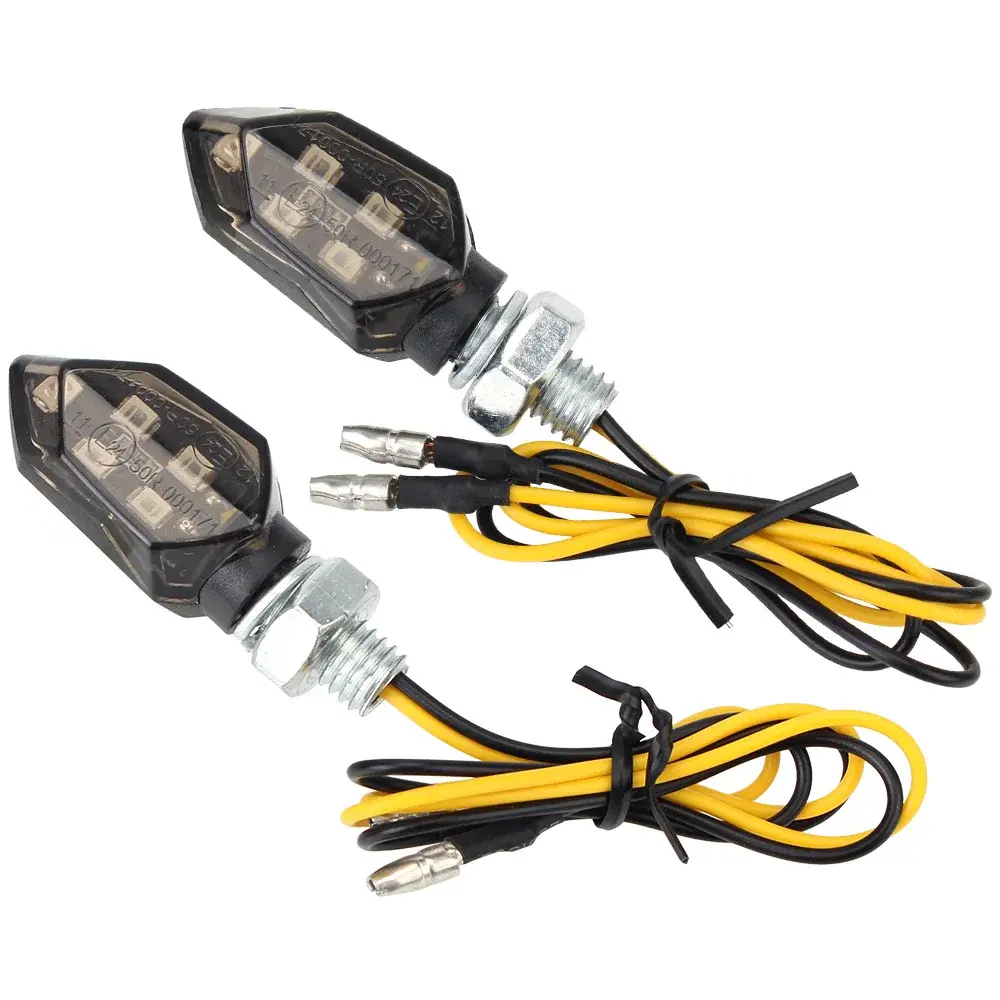
In a series circuit, current flows through one Motorcycle Turn Signal to the next. If one bulb fails, the entire circuit stops working. In a parallel circuit, each Motorcycle Turn Signal receives direct power from the source, so a single bulb failure does not affect the others.
| Feature | Series Wiring | Parallel Wiring |
|---|---|---|
| Voltage distribution | Divided equally among signals | Full voltage to each signal |
| Brightness consistency | Dims as more signals added | Constant regardless of count |
| Fault tolerance | One failure stops all | Other signals stay functional |
| LED compatibility | Poor without special resistors | Good with proper load balancing |
| Common use | Older or low-power systems | Modern motorcycles and Aicheng kits |
Why Parallel Wiring is Preferred for Modern Motorcycle Turn Signal Systems
Most contemporary motorcycles use parallel wiring because it ensures each Motorcycle Turn Signal receives full system voltage (typically 12V). This guarantees maximum brightness and reliable flashing. Aicheng designs its LED turn signal kits exclusively for parallel configurations, reducing hyperflash issues without extra load resistors.
Motorcycle Turn Signal FAQ Common Questions
What happens if I wire my turn signals in series by mistake?
Wiring your Motorcycle Turn Signal in series when the system expects parallel will cause dim illumination and erratic flashing. Each bulb receives only a fraction of the battery voltage. For example, two 12V signals in series get only 6V each, making them barely visible. Additionally, the flasher relay may not detect the correct load, leading to rapid flashing or no flash at all. To fix this, rewire each signal directly to the switched power source and ground. Aicheng offers plug-and-play wiring harnesses that prevent series miswiring.
Can I mix series and parallel wiring on the same motorcycle turn signal circuit?
Mixing configurations on a single Motorcycle Turn Signal circuit is not recommended. If you connect two signals in series and then place that pair in parallel with another signal, the series pair will receive half voltage while the standalone signal gets full voltage. This creates uneven brightness and confuses the flasher relay. Aicheng advises maintaining a pure parallel layout for all signals on the same circuit. If you need additional lights, use a dedicated parallel branch with proper relay support.
How do I test whether my motorcycle turn signal is wired in series or parallel?
To test your Motorcycle Turn Signal wiring, first turn on the signals. Observe brightness: if all are equally bright, it is likely parallel. If brightness drops when you add more signals, series is present. Next, remove one bulb while the signals are flashing. In a parallel system, the remaining signals continue flashing normally. In a series system, all signals stop. For a definitive test, use a multimeter set to DC voltage. With signals activated, measure voltage at the socket of one signal. A reading near battery voltage (12-14V) confirms parallel. A much lower reading (e.g., 6V) indicates series. Aicheng provides a free wiring diagnostic guide with every turn signal purchase.
Conclusion
Choosing between series and parallel wiring for your Motorcycle Turn Signal system directly impacts safety and performance. Parallel wiring delivers consistent brightness, fault tolerance, and modern LED compatibility. Aicheng recommends always using parallel circuits for new installations or upgrades.
Contact us today for expert advice on Motorcycle Turn Signal wiring or to explore Aicheng high-quality LED turn signal kits. Visit our website or email support to get a custom wiring diagram for your bike model.