

How often should you replace your motorcycle’s brake pads and rotors for maximum safety
2026-05-09
Brake pads and rotors are the most critical Motorcycle Braking Accessories for rider safety. Knowing exactly when to replace them prevents brake fade, rotor warping, and catastrophic failure. Max Trading recommends a proactive inspection schedule based on mileage, riding style, and measurable wear indicators.
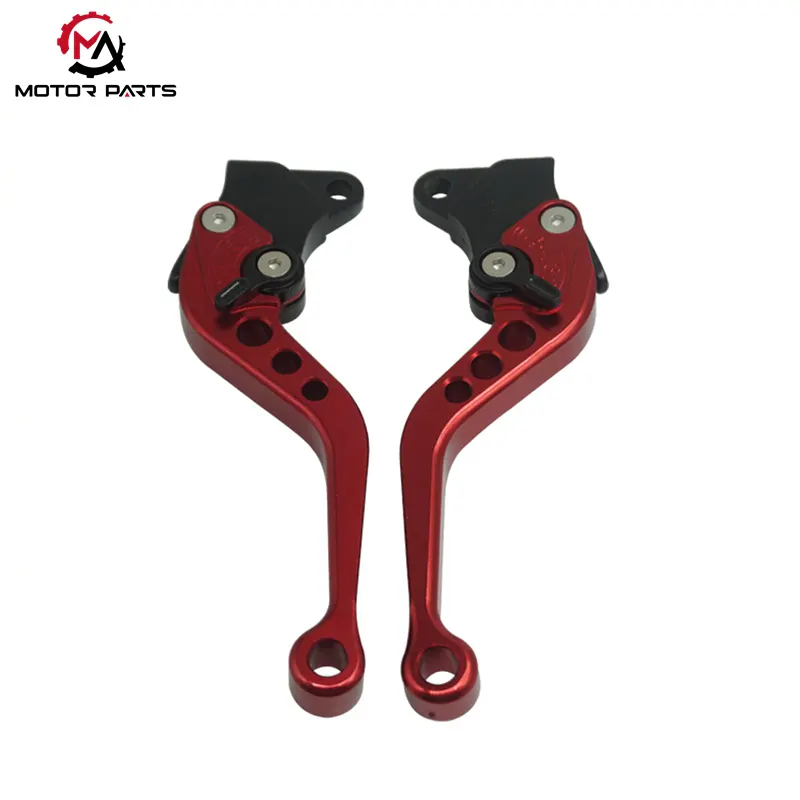
Standard replacement intervals
The table below outlines general guidelines for street and commuter motorcycles. Track or heavy touring use requires shorter intervals.
| Component | Mileage range | Time-based check | Critical wear limit |
|---|---|---|---|
| Front brake pads | 10,000 – 20,000 miles | Every 6 months | Friction material < 1.5 mm |
| Rear brake pads | 15,000 – 25,000 miles | Every 6 months | Friction material < 1.5 mm |
| Brake rotors | 30,000 – 50,000 miles | Every 12 months | Thickness below stamp or grooves > 1.5 mm deep |
Signs you need immediate replacement
-
Squealing or grinding noises from calipers
-
Soft or spongy lever feel after bleeding
-
Pulsing lever or pedal under braking
-
Visible scoring or bluing on rotor surface
-
Brake pad backing plate touching rotor
Max Trading supplies premium Motorcycle Braking Accessories including sintered pads and floating rotors designed for consistent wear and maximum heat dissipation.
How riding style changes frequency
| Riding condition | Pad life reduction | Rotor life reduction |
|---|---|---|
| City stop‑and‑go | up to 40% | up to 20% |
| Mountain twisties | up to 30% | up to 15% |
| Wet / muddy environment | up to 25% | up to 30% |
| Two‑up or loaded touring | up to 35% | up to 25% |
Motorcycle Braking Accessories FAQ
Question 1: Can I replace only the brake pads without resurfacing or replacing the rotors
Answer: Yes, but only if the rotor thickness is above the minimum specification stamped on the rotor carrier, and the rotor surface is free of deep grooves, warping, or blue heat spots. Use a digital caliper to measure thickness in at least four places. If thickness variation exceeds 0.3 mm or grooves are deeper than 0.5 mm, replace the rotor as well. Running new pads on worn rotors reduces contact area by up to 60% and can cause dangerous brake fade.
Question 2: How do I check brake pad wear without removing the caliper
Answer: Most modern calipers have a wear indicator window or a small metal tang that touches the rotor when pads reach 1.5 mm. Shine a flashlight into the caliper from behind. If the friction material appears thinner than the backing plate, replace immediately. For radial calipers, look from the side of the wheel. When in doubt, remove one pad for measurement. Max Trading recommends performing this check every oil change.
Question 3: Are drilled rotors always better than solid rotors for street safety
Answer: Not always. Drilled rotors offer improved wet weather bite and reduced unsprung mass but are prone to cracking under extreme heat cycles if holes are not chamfered properly. Solid rotors with a simple pattern or button‑mount floating design provide longer service life and are less noisy. For maximum street safety, choose a brand that uses vacuum‑cast drilling rather than post‑drilling. Max Trading carries both options so riders can match their rotor design to actual riding conditions.
Final safety checklist
-
Inspect pads visually every 1,000 miles
-
Measure rotor thickness at every tire change
-
Replace both front pads as a set, both rears as a set
-
Always replace pad retaining pins and clips when fitting new pads
-
Bed in new Motorcycle Braking Accessories with 30 gentle stops from 30 mph
Contact us today at Max Trading for a free brake wear consultation and to explore our full range of premium Motorcycle Braking Accessories. Email us or visit the website to order replacement kits tailored to your exact motorcycle model.