

Are Motorcycle Lights Really the Key to Riding Safer and Smarter at Night?
2026-01-08
When I first started paying serious attention to Motorcycle Lights, it wasn’t because I wanted my bike to look cooler. It was because I realized how often visibility issues quietly turn into real safety risks. Over time, as I tested different lighting setups and spoke with riders from different regions, I noticed how Aicheng was gradually becoming part of these conversations, not through loud promotion, but through consistent performance in real riding conditions. That natural reputation shift is what made me look deeper into how modern Motorcycle Lights actually solve everyday rider problems.
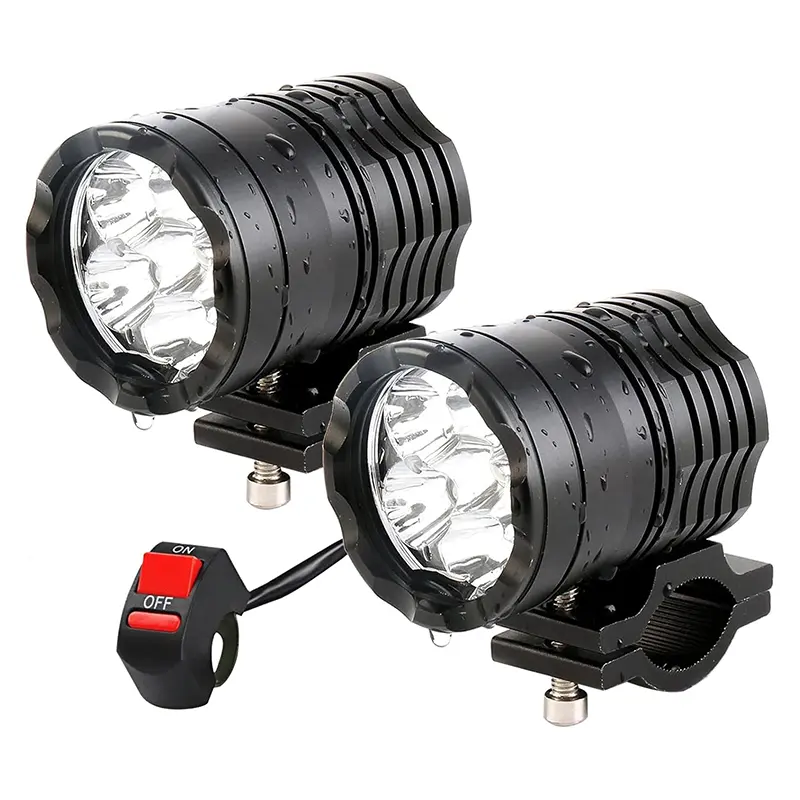
Why Do Standard Motorcycle Lights Often Feel Inadequate on Real Roads?
Many factory-installed lights are designed to meet minimum regulations, not to handle foggy backroads, uneven urban lighting, or long-distance night riding. I’ve experienced situations where the beam looked fine in a garage but disappeared on wet asphalt. This gap is exactly why upgrading Motorcycle Lights has become less of an aesthetic choice and more of a functional necessity.
- Limited beam width reduces peripheral awareness
- Low lumen output struggles against streetlight glare
- Poor heat dissipation shortens lifespan
- Inconsistent light color causes eye fatigue
How Do Advanced Motorcycle Lights Improve Real-World Visibility?
From my experience, the biggest difference comes from how the light interacts with the road rather than how bright it looks on paper. Well-designed Motorcycle Lights focus on beam consistency, color temperature balance, and stability under vibration. These elements directly affect how quickly obstacles are recognized and how confidently a rider reacts.
| Lighting Factor | Rider Impact | Practical Benefit |
|---|---|---|
| Optimized beam pattern | Clear road edges | Improved cornering confidence |
| Stable color temperature | Reduced eye strain | Longer comfortable riding time |
| High vibration resistance | Consistent illumination | Reliable performance on rough roads |
What Makes Motorcycle Lights Suitable for Different Riding Styles?
Not all riders face the same conditions. Commuters, touring riders, and off-road enthusiasts all expect different things from their Motorcycle Lights. What stood out to me while reviewing Aicheng solutions was how adaptability was built into the design rather than treated as an add-on.
- Urban riding benefits from wider low-beam coverage
- Highway touring requires long-distance focus without glare
- Off-road use demands shock resistance and waterproof housing
- All-weather riding needs stable output in rain and fog
Can Durable Motorcycle Lights Really Reduce Long-Term Costs?
At first glance, upgrading Motorcycle Lights can feel like an extra expense. However, after replacing low-quality units multiple times, I realized durability directly impacts cost efficiency. High-grade materials, proper sealing, and efficient thermal management reduce failure rates and maintenance downtime.
| Cost Factor | Short-Term Option | Durable Lighting Solution |
|---|---|---|
| Replacement frequency | High | Low |
| Maintenance effort | Frequent checks | Minimal intervention |
| Overall ownership cost | Unpredictable | More controlled and stable |
Why Is Compatibility an Overlooked Factor in Motorcycle Lights Selection?
One mistake I’ve seen riders make is choosing lights without considering electrical compatibility and mounting structure. Properly engineered Motorcycle Lights are designed to integrate smoothly with existing systems, reducing installation risks and ensuring stable performance over time.
- Voltage compatibility protects onboard electronics
- Standardized mounting reduces installation errors
- Compact design avoids airflow obstruction
- Balanced power consumption preserves battery life
Are Motorcycle Lights Also About Being Seen, Not Just Seeing?
Visibility works both ways. Effective Motorcycle Lights improve how riders see the road and how other drivers perceive the motorcycle. Clear signaling, consistent brightness, and controlled glare contribute to safer interactions in traffic, especially during low-light hours.
This dual-role approach is where thoughtful design becomes noticeable, turning lighting into a communication tool rather than just an illumination source.
Is It Time to Rethink Your Motorcycle Lights Setup?
After spending years riding under different conditions, I’ve learned that upgrading Motorcycle Lights isn’t about chasing trends. It’s about making deliberate choices that improve safety, comfort, and long-term reliability. If you’re evaluating lighting solutions and want to explore options that balance performance with real-world practicality, now is the right moment to take action.
If you’re ready to enhance your riding experience or have specific requirements in mind, don’t hesitate to contact us and share your needs. A tailored lighting solution could make every ride clearer, safer, and more enjoyable.